Residential Glass Installation: Improve Your Home's Visual Appeal and Energy Performance
Residential glass installation functions as a transformative element for many homes. It not just enhances aesthetics but also increases energy efficiency. With various glass options available, homeowners can design spaces that express their style while gaining the advantages of modern technology. Grasping the intricacies of glass selections and placement can lead to significant long-term benefits. The following sections will examine the vital aspects of this investment and its impact on both comfort and value.
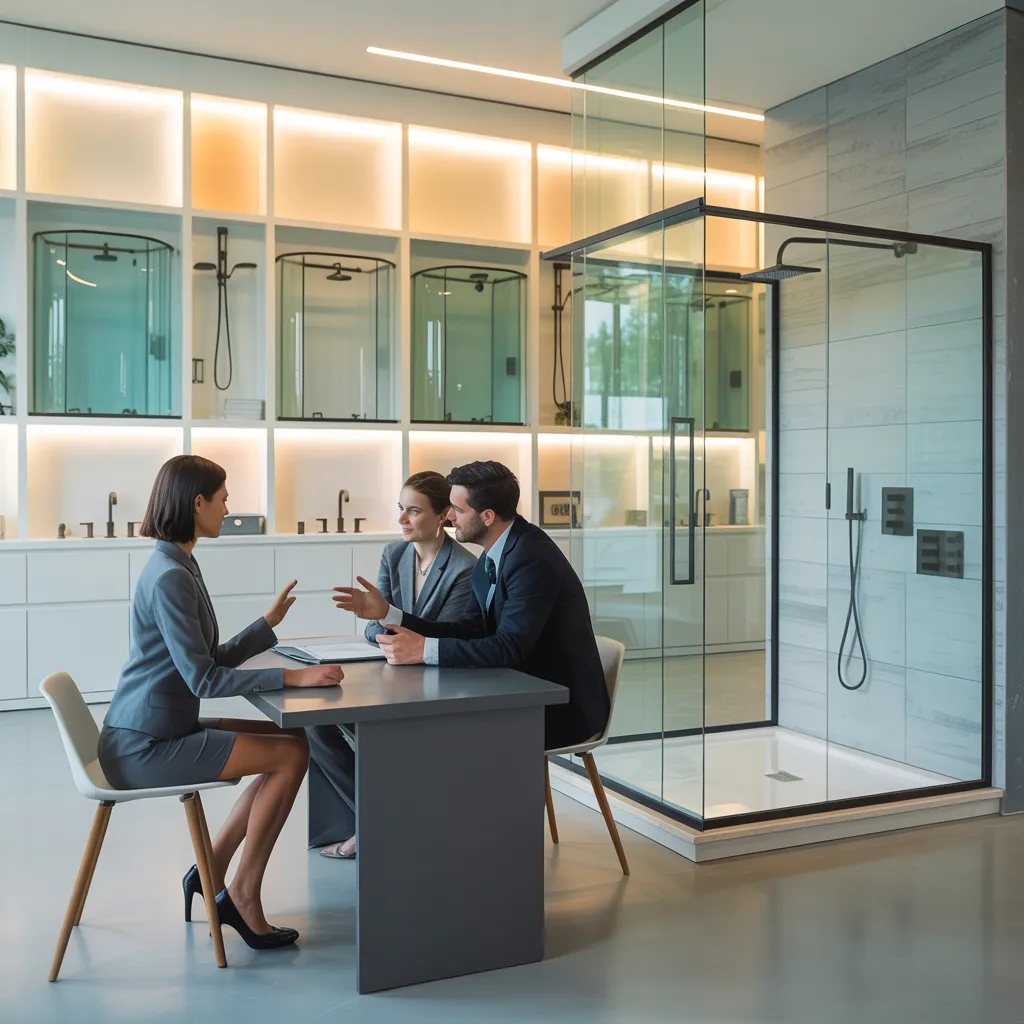
Why Put your money in Residential Glass Installation?
Installing quality residential glass can substantially boost the decorative and operational aspects of a home. High-quality glass elements, such as windows, doors, and railings, add to a contemporary and sophisticated look, allowing natural light to illuminate interiors and fostering a sense of openness. This visual appeal can boost property value, rendering it more inviting to potential buyers.
Additionally, glass application provides design flexibility, accommodating different architectural styles and personal preferences. From sleek frameless designs to classic grid patterns, homeowners can select options that complement their individual tastes.
In addition, incorporating glass materials can improve indoor-outdoor connectivity, creating seamless transitions between living spaces and outdoor areas. This connection fosters a tranquil atmosphere, perfect for relaxation and entertaining.
Ultimately, investing in glass installations in homes not only strengthens aesthetic value but also betters the overall lifestyle experience, making it a worthwhile consideration for homeowners looking to improve their properties.
Maximizing Energy Savings With Modern Glass Solutions
Recent glass solutions provide significant advancements in energy efficiency, particularly through the deployment of insulated glass and Low-E coatings. Insulated glass minimizes heat transfer, enhancing comfort and lowering energy costs. Meanwhile, Low-E coatings reflect infrared light, additionally enhancing thermal performance while permitting natural light to enter.
Insulated Glass Rewards
Insulated glass offers substantial benefits for property owners looking to improve energy efficiency in their residences. This innovative window treatment typically consists of multiple glass panes separated by a spacer and filled with an insulating gas, such as argon or krypton. This design reduces heat transfer, decreasing the requirement for warming in winter and air conditioning in summer. As a consequence, insulated glass can result in reduced energy bills and enhanced indoor comfort. Additionally, it helps to eliminate moisture accumulation and reduces outside noise, promoting a more tranquil living environment. Overall, insulated glass is a wise choice for those looking to upgrade their homes while advancing environmental responsibility and boosting overall aesthetic appeal.
Low-E Coatings Broken Down
Low-emissivity (Low-E) coatings transform standard glass into a robust energy-saving system for homes. These microscopic layers, applied applicable information to the glass surface, reflect infrared light while allowing visible light to pass through. This unique property helps preserve indoor temperatures by reducing heat transfer, keeping homes warmer in winter and more refreshing in summer. By decreasing energy consumption, Low-E coatings can greatly lower heating and cooling costs. Additionally, they help safeguard furnishings from UV damage by blocking harmful rays, enhancing overall comfort and longevity. Homeowners increasingly opt for Low-E glass as a eco-conscious option, contributing to eco-friendly living. Ultimately, Low-E coatings represent a modern advancement in residential glass installation, combining aesthetics with functional efficiency.
Picking the Best Glass for Aesthetic Quality and Functional Benefits
How can property owners strike the perfect balance between aesthetics and functionality when selecting glass for their homes? The choice of glass is crucial in both the look and function of a home. Various types of glass, such as tempered, laminated, and insulated, can enhance safety, energy savings, and noise reduction. Owners need to think about their design choices, such as color, texture, and transparency, to ensure the glass matches the overall decor.
For case in point, frosted glazing affords privacy while maintaining an stylish appearance, whereas clear glass optimizes visibility and establishes an light-filled feel. Plus, decorative options such as stained or etched glass can serve as focal points in a room. Ultimately, selecting the right glass involves understanding the particular requirements of each space, balancing style with practical benefits to produce a harmonious living environment. Intentional choices can tremendously strengthen both the visual character and practical value of a home.
How Choosing the Right Glass Maximizes Natural Light
Natural light serves as an essential element in establishing appealing and dynamic domestic environments. Opting for the appropriate glass can greatly enhance the flow of natural light, transforming the atmosphere within a home. For instance, expansive, unhindered sheets of clear glass permit sunlight to stream in, lighting up interiors and providing a sense of spaciousness.
Furthermore, choosing glass with a low-emissivity coating can optimize light transmission while minimizing heat gain, guaranteeing that warmth is retained without compromising brightness. In the same way, frosted or textured glass can scatter light, softening harsh rays while maintaining brightness, which can be especially effective in smaller rooms.
Furthermore, strategically placing mirrors and reflective surfaces near glass installations can enhance the effects of natural light, producing a brighter environment. By thoughtfully selecting glass types and placements, homeowners can maximize natural light, enhancing both aesthetic appeal and energy efficiency.
How to Pick the Ideal Glass Installer?
When choosing a glass installer, what important factors should homeowners keep in mind to ensure a successful project? First, it is crucial to assess the installer’s experience and expertise in residential glass installation. Homeowners should look for professionals with a demonstrated history and favorable client feedback. Checking for appropriate licensing and insurance is necessary, as this protects both the homeowner and the installer in case of accidents or damage.
Furthermore, gathering multiple quotes can assist homeowners grasp the market rates and ensure they are getting fair costs. It is also useful to ask about the types of materials used and the installation techniques employed, as high-quality materials can substantially impact aesthetic appeal and durability. Finally, understanding the warranty offered can deliver peace of mind about future repairs or replacements. By considering these factors, homeowners can confidently select a glass installer who meets their specific needs.
Tips for Maintaining Your Glass Fixtures for Longevity
After selecting a qualified glass installer, homeowners must concentrate on maintaining their glass installations to guarantee longevity and functionality. Regular cleaning is important; using a soft cloth and a gentle glass cleaner can prevent scratches and build-up. Homeowners should avoid abrasive materials that can harm the surface. Additionally, examining the seals around windows and doors for any signs of wear or damage is vital, as compromised seals can lead to energy loss and moisture intrusion.
Seasonal assessments can help identify possible problems early on, allowing for timely repairs. Homeowners should also think about using protective coatings to reduce UV damage and improve durability. For exterior glass installations, maintaining clear surroundings free from debris will prevent scratches and impacts. Finally, speaking to the installer about specific maintenance recommendations can ensure the glass remains in peak condition for years to come.
Frequently Requested Questions
Which Varieties of Glass Can Be Utilized for Domestic Installation?
Various types of glass are offered for residential installation, including tempered, laminated, low-E, insulated, and decorative glass. Each type offers distinct advantages, such as improved protection, energy efficiency, and aesthetic appeal for homeowners.
How much time should you expect for the setup?
Installing typically takes between one to three days, subject to the complexity of the project and the type of glass being utilized. Conditions such as atmospheric conditions and readiness can also alter the duration.
Do eco-friendly glass alternatives available?
Certainly, sustainable glass alternatives are available, comprising double-glazed and low-emissivity (Low-E) glass. These materials boost energy efficiency, lower heat loss, and reduce environmental impact, presenting them as an ideal selection for environmentally conscious homeowners.
What Protection Options Are Available for Residential Glass Installations?
Warranties for residential glass installations typically include manufacturer guarantees that address defects, along with installation guarantees that ensure workmanship quality. Since duration and coverage differ by provider, homeowners should ask about specific terms before committing to installation.
Should I Set up Glass by myself or Employ a Professional?
Self-installation of glass is feasible for skilled individuals, but engaging an expert is generally recommended. Experts ensure proper handling, regulatory adherence, and ideal installation, minimizing chances of harm and future complications linked to incorrect installation.